

Cooker Extraction Hoods
FollowOverview
-
Sectors Higher professional positions
-
Posted Jobs 0
-
Viewed 12

Company Description
7 Things About Extractor Hoods For Kitchens You’ll Kick Yourself For Not Knowing
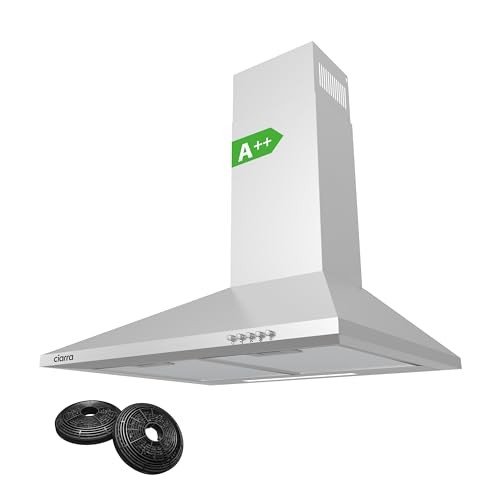
The Essential Guide to Extractor Hoods for Kitchens
When it pertains to developing a practical and enjoyable cooking environment, extractor hoods are often overlooked. These devices play a vital function in keeping air quality by removing smoke, vapors, and undesirable odors that develop during cooking. This article will look into the value of extractor hoods, the various types offered, essential features to consider, and provide useful FAQs to direct your selection process.
What Are Extractor Hoods?
Extractor hoods, often referred to as range hoods or kitchen hoods, are gadgets installed above cooking home appliances. Their main function is to capture smoke and grease particles produced while cooking. They likewise assist to eliminate odors, ensuring that your kitchen remains fresh and clean.
Table 1: Key Functions of Extractor Hoods
| Function | Description |
|---|---|
| Air Purification | Removes smoke, smells, and grease particulate from the air |
| Ventilation | Circulates and refreshes indoor air quality |
| Temperature Control | Helps regulate heat around cooking areas |
| Visual Appeal | Matches kitchen decoration and improves total looks |
Types of Extractor Hoods
Extractor hoods are available in numerous styles and types, each suited for specific kitchen designs and cooking requirements. Understanding these types can assist you choose the very best alternative for your home.
Table 2: Types of Extractor Hoods
| Type | Description | Pros | Cons |
|---|---|---|---|
| Wall-Mounted | Repaired to the wall above the stove, often used in open kitchens. | Space-saving, stylish, and efficient. | Needs sufficient wall area. |
| Under-Cabinet | Set up under a cabinet, suitable for compact kitchens. | Discreet and space-efficient. | Might be less powerful than other types. |
| Island | Positioned above a cooking island, ideal for open-concept layouts. | Improves kitchen looks and performance. | More pricey and installation might be intricate. |
| Downdraft | Integrated into the cooktop and rises when needed, exceptional for kitchens with minimal area. | Minimalist style and saves area. | Restricted suction power compared to traditional hoods. |
| Expert | Sturdy hoods designed for commercial-grade ovens and stoves, ideal for serious home cooks. | Powerful ventilation and high performance. | Larger and may need professional setup. |
Necessary Features to Consider
When selecting an extractor hood, several functions should be assessed to ensure you choose an appliance that fits your cooking routines and kitchen design.
List of Features to Consider
-
Ventilation Type: Choose in between ducted or ductless systems based upon your kitchen’s layout.
- Ducted Hoods: Vent air to the outside, offering remarkable purification.
- Ductless Hoods: Use filters to tidy and recirculate air back into the kitchen, much easier to set up.
-
Airflow Capacity: Measured in CFM (cubic feet per minute), which suggests the volume of air the hood can move. Go for a minimum of 300 CFM for reliable ventilation.
-
Sound Level: Look for designs rated in sones (an unit of viewed loudness). A quieter operation (2-4 sones) is usually chosen, especially in open spaces.
-
Filter Type:
- Baffle Filters: Good for high temperature level cooking; more durable and easier to clean.
- Fit together Filters: Usually made from aluminum; reliable for light to medium cooking.
-
Control Options: Consider whether you ‘d prefer manual push buttons, touch controls, or smart features that integrate with home systems.
-
Lighting: Built-in lights are vital for presence while cooking; LED options are energy-efficient and long-lasting.
Table 3: Common Features Breakdown
| Feature | Ducted | Ductless |
|---|---|---|
| Air flow Capacity | High (400+ CFM) | Varies (generally lower) |
| Filtration | Primarily baffle | Charcoal or aluminum mesh |
| Setup | More complicated | Usually easier |
| Sound Level | Quieter alternatives exist | Can be noisier due to minimal designs |
| Expense | Higher initial cost | More inexpensive alternatives frequently offered |
Benefits of Using an Extractor Hood
The benefits of setting up an extractor hood extend beyond simply removing undesirable odors; they substantially impact health and cooking effectiveness.
- Improved Air Quality: Reduces contaminants, providing a healthier cooking atmosphere.
- Odor Control: Eliminates sticking around smells, enabling an enjoyable kitchen experience.
- Fire Safety: Limits the threat of grease fires by removing flammable particles from the air.
- Improved Cooking Visibility: Bright lighting enhances presence when cooking.
- Stylish Addition: Complements kitchen style and improves general aesthetic appeal.
Frequently Asked Questions (FAQs)
1. How do I determine the ideal size extractor hood for my kitchen?
Procedure your stove width and pick a hood that is at least 3 inches wider than your cooktop. Also, consider the height from the cooktop to the bottom of the hood (30-36 inches for best efficiency).
2. Are ducted hoods better than ductless hoods?
Yes, ducted hoods usually supply more effective odor and smoke elimination given that they vent air exterior. Ductless hoods are much easier to set up but might require regular filter modifications to maintain efficiency.
3. How frequently should I clean up the filters?
Clean baffle filters every 3-4 months and change or tidy mesh filters according to the maker’s recommendations, usually every 1-2 months.
4. Do I need to hire a professional for setup?
For ducted hoods, expert setup is often suggested, specifically if comprehensive ductwork is included. Ductless hoods are generally more simple and can normally be DIY-installed.
5. What is the most energy-efficient option?
Try to find hoods with LED lighting and Energy Star-rated designs that use less energy without sacrificing performance.
Picking the best extractor hood for your kitchen is vital for preserving air quality, safety, and looks. By comprehending the various types and functions of extractor hoods, property owners can make an informed decision that best matches their cooking practices and Kitchen Hood design. Whether you’re an occasional cook or a cooking lover, installing a quality extractor hood is a considerable step toward creating a more pleasurable kitchen environment.
